
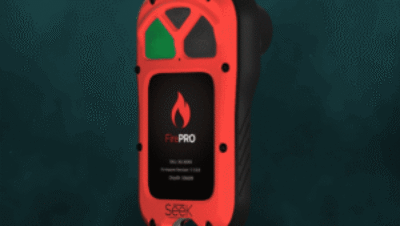
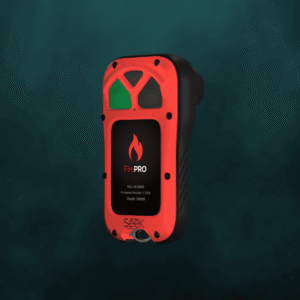
 Thermal imaging cameras (TICs) are indispensable in modern firefighting. On land, they help crews navigate smoke-filled structures, find victims, and identify hidden fire. At sea, the stakes are even higher: a fire on a vessel can spread rapidly in confined spaces, and search & rescue operations must be fast and precise. This review covers the Seek FirePRO 300 and the Seek AttackPRO series (including AttackPRO+, AttackPRO VRS), highlighting the top five features that directly improve safety, both for fire departments on land and for shipboard firefighting and rescue teams at sea.
1) High resolution + wide field of view — see through smoke and tight ship compartments
-
What to look for: 320 × 240 thermal sensor, wide horizontal field of view (~57°).
-
Why it matters ashore: helps firefighters scan wide rooms or industrial areas quickly.
-
Why it matters at sea: ship corridors, cabins, and engine rooms are confined and filled with obstructions. Wide FOV makes it easier to locate fires behind bulkheads or detect trapped crew members in smoke-filled compartments.
Seek FirePRO 300 and AttackPRO series provide 320×240 resolution and wide FOV to maximize visibility in these challenging environments.
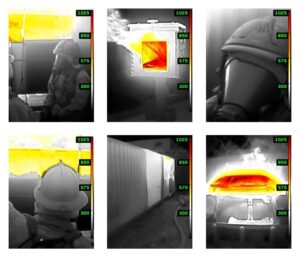 2) Mixed-gain imaging with SV1 optimization — vital for complex fire scenes
-
What to look for: mixed-gain imaging and proprietary processing (Seek calls this SV1).
-
Why it matters ashore: clearly shows both fire hot spots and cooler areas (victims, structural supports).
-
Why it matters at sea: onboard fires often involve machinery spaces with extreme heat near engines but cooler adjacent spaces. Mixed-gain imaging ensures both are visible simultaneously, avoiding the need for switching modes. This helps rescue teams distinguish crew members from surrounding hot surfaces in seconds.
Seek’s AttackPRO cameras deliver this with SV1 image optimization.
3) NFPA 1801 certification — trusted by fire departments worldwide
-
What to look for: compliance with NFPA 1801:2021.
-
Why it matters ashore: simplifies procurement and ensures TICs meet global firefighter standards.
-
Why it matters at sea: port authorities and maritime operators increasingly specify NFPA-compliant gear to align with international best practices. Having NFPA-certified cameras like the AttackPRO+ means ship operators can demonstrate compliance and safety readiness for audits and inspections.
4) Ruggedness & heat resistance — essential for marine firefighting
-
What to look for: IP67+ water and dust protection, drop-tested housings, survivability at high temperatures.
-
Why it matters ashore: TICs are dropped, splashed, and exposed to flames.
-
Why it matters at sea: salt spray, wet decks, and confined stairwells are harsh on electronics. AttackPRO and FirePRO cameras withstand 2-meter drops, are IP67-rated, and resist short-term exposure to extreme heat — making them suitable for shipboard response teams as well as urban fire crews.
Extra durability translates into fewer failures and lower lifecycle costs.
5) Video recording (VRS) + survey mode — for training, investigation, and SAR review
-
What to look for: onboard video storage and survey modes.
-
Why it matters ashore: allows after-action review, training, and incident evidence.
-
Why it matters at sea: vessel operators can review recorded footage to analyze fire spread in engine rooms, improve evacuation drills, and train crew in SAR techniques. With the AttackPRO VRS, responders can capture hours of real incident video — valuable for both post-incident reports and crew training.
Applications for shipboard firefighting and rescue
-
Engine room fires: quickly locate hotspots behind machinery casings.
-
Cabin search & rescue: wide FOV + mixed gain helps locate unconscious crew in smoke-filled corridors.
-
Cargo hold monitoring: detect smoldering cargo before it escalates into a full fire.
-
Evacuation drills: recorded VRS footage helps evaluate crew performance and improve readiness.
Quick recommendations
-
For every crew member or firefighter ashore: Seek FirePRO 300 — compact, wide FOV, suitable for fast orientation and victim search.
-
For incident command (land or ship): Seek AttackPRO+ — rugged, NFPA-certified, optimized imaging.
-
For maritime operators needing training and post-incident review: Seek AttackPRO VRS — with onboard video recording and survey mode.
Final takeaway
Whether you’re a city fire department or a maritime operator, the top five features — resolution & FOV, mixed-gain SV1 imaging, NFPA compliance, ruggedness, and VRS recording — make the Seek FirePRO 300 and AttackPRO series ideal high-end thermal cameras.
They’re not just tools for finding fire — they’re lifesaving devices that enhance search & rescue effectiveness in both urban environments and onboard vessels at sea.
Learn more or request a quote from NAXSG — Thermal Cameras for Firefighters and Maritime Safety.

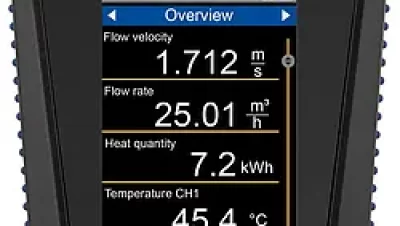
In the field of liquid applications, precision and accuracy in monitoring flow rates are critical. Whether for industrial processes, environmental monitoring, or research, choosing the correct flow meter is critical for obtaining trustworthy data. Ultrasonic flow meters have grown in popularity due to their non-intrusive nature and adaptability. Let’s take a look at factors to consider when selecting an ultrasonic liquid flow meter.
Factors to Consider When Choosing an Ultrasonic Flow Meter
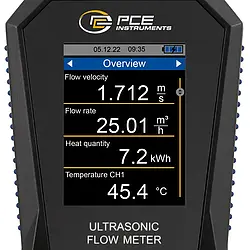
Application Requirements
Before getting into the technical features of flow meters, it’s critical to understand the application’s specific needs. Consider the type of liquid, the flow rate range, temperature, pressure, and any other external conditions. Different liquids have different acoustic properties, thus choosing the right flow meter for the task provides precise and dependable measurements.
Flow Meter Type
There are several varieties of ultrasonic water flow meters, each with its own set of benefits and drawbacks. The most prevalent types are transit-time and Doppler ultrasonic liquid flow meters. Transit-time meters measure the time it takes for ultrasonic signals to travel between transducers, whereas Doppler meters rely on frequency shifts generated by moving particles in the liquid. The decision between these types is influenced by factors such as liquid composition, pipe size, and the presence of bubbles or particles.
Installation Requirements
The ease of installation is especially important when retrofitting or modifying existing systems. Ultrasonic flow meters are typically non-intrusive and can be installed externally, eliminating the requirement for pipe cutting. However, when considering the suitability of a particular ultrasonic liquid flow meter for installation, it is critical to consider elements such as pipe material, diameter, and accessibility.
Accuracy and Range
Accurate flow measurements are essential for successful process management and optimization. Although ultrasonic flow meters are highly accurate, the level of precision varies between different types of flow meters. You should consider the appropriate flow range for the meter and make sure that it corresponds to the expected flow rates in the application. Furthermore, it is essential to ensure that the manufacturer’s accuracy specifications fulfill the relevant measurement criteria.
Signal Quality and Noise Immunity
The signal quality of the flow meter is essential for the efficient operation of the flow meter. Factors such as air bubbles, suspended particles, and external noise can degrade signal quality and, as a result, will impact the measurement accuracy. It is advised to look for flow meters with advanced signal processing capabilities and noise immunity characteristics to ensure reliable and accurate readings even in challenging conditions.
Cost and Maintenance
While it is important to consider the initial cost of an ultrasonic liquid flow meter, the total cost of ownership must also be taken into consideration. You should look for factors like installation expenses, ongoing maintenance needs, and the possibility of downtime during repair. Choosing a flow meter that requires less maintenance and has a long lifespan can result in long-term cost savings.
Nax Ultrasonic Flow Meters for All Your Industry Needs
In the world of ultrasonic flow meters, Nax stands out as a reliable and trusted brand. Nax flow meters, known for their commitment to quality and innovation, provide innovative features that adapt to a wide range of applications. We have earned the trust of industries all over the world with regard to our focus on precision, durability, and ease of use. So, if you are looking for high-quality ultrasonic liquid flow meters, don’t look any further, visit our website and select the one that best suits your needs.
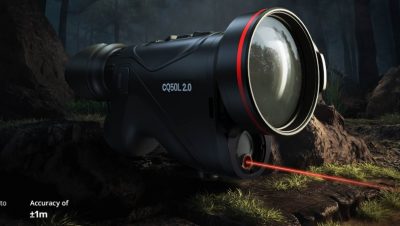
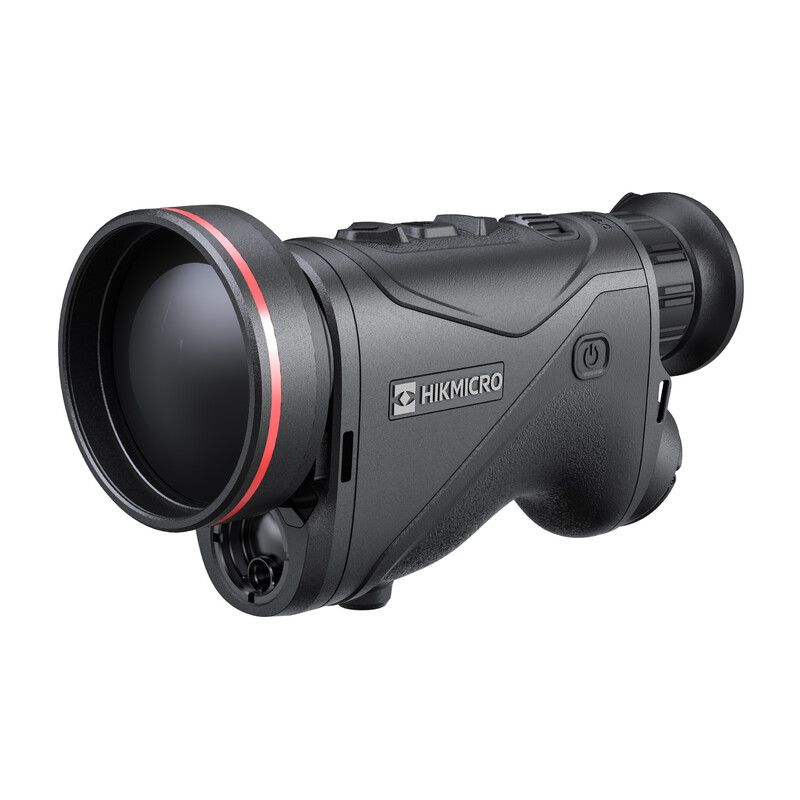 If you’re considering a thermal monocular to level up night work—whether that’s wildlife monitoring, security patrols, or wildlife observation —the HIKMICRO Condor CQ50L (updated CQ50L 2.0) sits in the sweet spot of clarity, range, and ease of use.
The HIKMICRO Condor CQ50L 2.0 are pushing thermal monoculars into pro-grade territory: sharper imaging, precise ranging, and smoother operation in real field conditions. Below is a concise, verified guide to how it’s changing the game for hunters (where legal) and wildlife observers.
What’s new & WHY it matters
Sharper detail in tough weather
-
CQ50L uses a 640×512, 12 µm sensor with NETD < 20 mK; the 2.0 upgrade pushes sensitivity to NETD < 15 mK for finer texture and background detail, even in humidity or light drizzle.
Long-range lens + accurate ranging

A 50 mm fast lens (F1.0 on CQ50L; F0.9 on 2.0) plus a 1,000 m laser rangefinder enables early detection and safer distance decisions. Detection range: up to 2,600 m for human/large-animal views.
Display you can stare at for hours

CQ50L 2.0: 0.49″ 1920×1080 OLED—a noticeably crisper, more comfortable view for prolonged sessions.
Smoother panning (less “shutter freeze”)
-
The 2.0 adds HSIS (HIKMICRO Shutterless Image System) so the view stays uninterrupted while scanning.
Battery that matches long nights
-
CQ50L 2.0: replaceable 21700 cell, ≥ 6.5 h with Wi-Fi, Zoom Pro, and LRF on. USB-C external power is supported.
Built-in capture + app control
-
64 GB internal storage, photo/video, 2.4/5 GHz Wi-Fi, and the HIKMICRO Sight app for live view, sharing, and firmware updates (Android + iOS).
Real benefits for the field
-
Find animals sooner: high sensitivity + 50 mm lens + long detection lets you pick up heat signatures early.
-
Identify with confidence: the 2.0 model’s < 15 mK sensor and 1080p OLED help you read body shape, gait, and behavior before you act.
-
Decide safely: the 1,000 m LRF removes guesswork on distance—vital for ethical choices and maintaining safe standoff.
Pro tips for BEST results
-
Use the LRF by default. Distance estimation is notoriously tricky at night—measure, don’t guess.
-
Tune the image to conditions. Try Image Pro/Zoom Pro presets as humidity and background temperature shift.
-
Plan power. Carry spare 18650 (CQ50L) or 21700 (2.0); bring a USB-C power bank for marathon sessions.
-
Record & review. The built-in 64 GB plus the Sight app make it easy to log clips for learning or sharing
Final Thoughts
With its blend of imaging clarity, compact and ergonomic design, and smart features, the HIKMICRO CQ%)L 2.0 offers real value for serious professionals. Whether you’re using for sightseeing or wildlife observation in the deep dark night it’s a reliable companion for serious uses that demand more than walking in the dark!
Ready to raise your wildlife adventure game? The CQ50L may just be the spark you need.
Internal links (browse, compare, enquire on NAX)
-
HIKMICRO Condor LRF (series overview) – see lineup, features, and request a quote.
https://www.naxsg.com/product/condor-thermal-lrf-monocular/ NAX SG -
Thermal Monocular category – shop monoculars (Condor, Lynx, Falcon, Owl).
https://www.naxsg.com/product-category/thermal-monocular/ NAX SG -
HIKMICRO brand page – all HIKMICRO optics we carry.
https://www.naxsg.com/product-category/hikmicro/ NAX SG -
Thermal Imaging Camera (all types) – browse handhelds, monoculars, and more.
https://www.naxsg.com/product-category/thermal-imaging-camera/ NAX SG -
CQ50L resource (PDF on NAX) – official datasheet for the original CQ50L.
https://www.naxsg.com/wp-content/uploads/2024/03/CQ50L_Datasheet_V5.5.70_en-US_20231227.pdf NAX SG -
Contact NAX (Singapore) – specs check, stock, and local support.
https://www.naxsg.com/contact/ NAX SG
Want side-by-side options? Compare with HIKMICRO Lynx 2.0 monoculars here: https://www.naxsg.com/product/lynx-2-0-thermal-monocular/ NAX SG


Choosing an infrared camera be a complicated process. You want an equipment that balances high specifications and value for money.
That’s where the Raythink RT630 comes in—a smart, high-performance thermal imager designed to make your work faster, clearer, and more efficient. Below, we’ll explore how Raythink’s latest device stands apart from the rest.
Marcus Yap from NAX Instruments partners with Marcus Huang from IIRT – the Institute of Infrared Thermography to dive into the RT630 and see what makes it stand out.

Marcus from IIRT is amazed at the clarity on the Raythink RT630.
What Makes the Raythink RT630 Stand Out?
? Sharp Thermal Imaging
The Raythink RT630 delivers 640×512 resolution with <35mK thermal sensitivity. That means you’ll catch even the slightest temperature anomalies—essential for uncovering faults before they fail. With Super Resolution mode and a laser rangefinder, your scans are always crisp and viewed.

Comparing screen size of the screen size.
?️ Flexible Temperature Range
From HVAC cold spots to industrial heat processes, the Raythink RT630 handles temperatures from -20°C to 650°C, and up to 1500°C with an upgrade. Its smart auto-switching mode helps you stay efficient without needing manual recalibration.
? Interchangeable Lenses
This camera adapts to your inspection needs:
- 25° standard lens for general use
- 7° telephoto for distant views
- 45° wide-angle for cramped electrical spaces
- Macro lenses for fine details in R&D or electronics
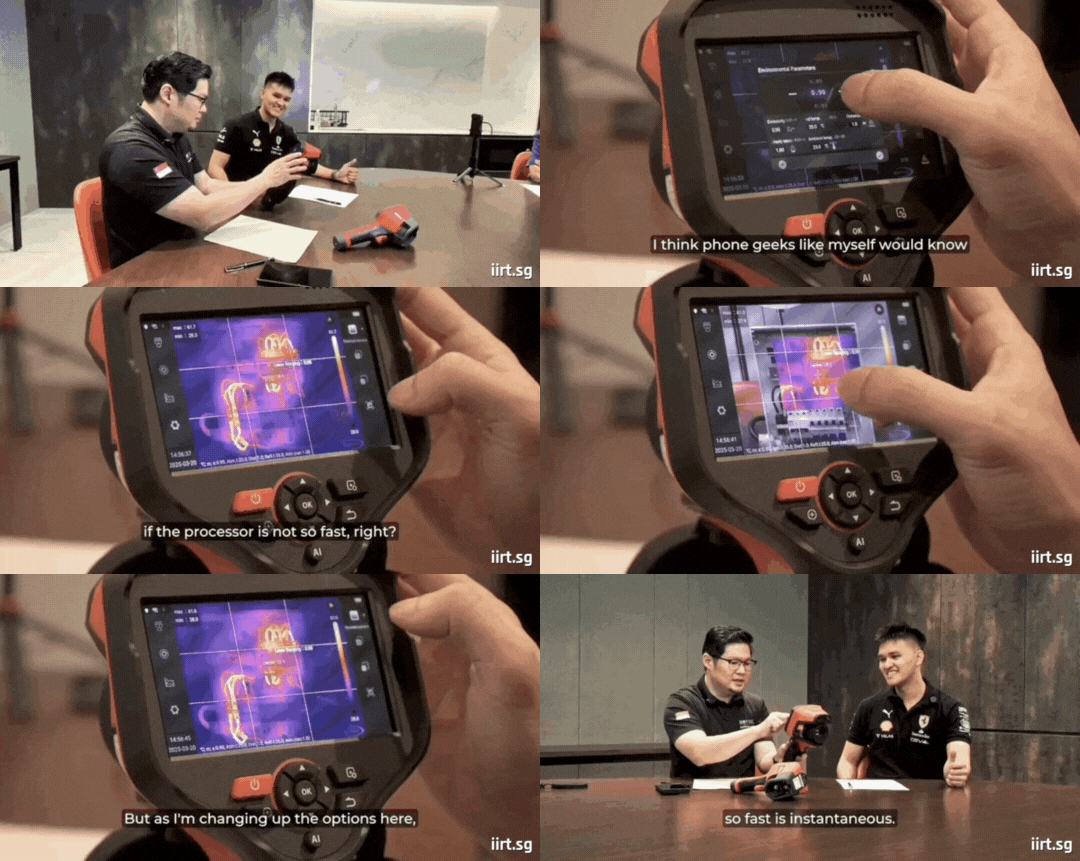
Speedy and snappy performance.
? Smart Onboard Features
Powered by Android OS, the Raythink RT630 operates like a modern smartphone—with fast navigation, on-camera report generation, and built-in PDF creation. You can even email results directly from the field.
? Rich Visual Output
Its 5″ OLED screen, 13MP visual camera, and 19 color palettes enhance your ability to interpret data on the spot. Real-time measurement tools like spot, line, and area markers support thorough analysis.
Built for Busy Professionals
- Electricians & Maintenance Teams: Quickly detect hot spots or loose connections in switchboards—even in tight or cluttered spaces.
- Building Inspectors: Spot water ingress, thermal leaks, or facade faults—ideal for Singapore’s high-rise challenges.
- Industrial Engineers & R&D: Perform high-heat process monitoring, material testing, or trend analysis with precision.
And with voice notes, time-lapse video, and radiometric video recording, the Raythink RT630 doesn’t just capture data—it helps you tell the full story.
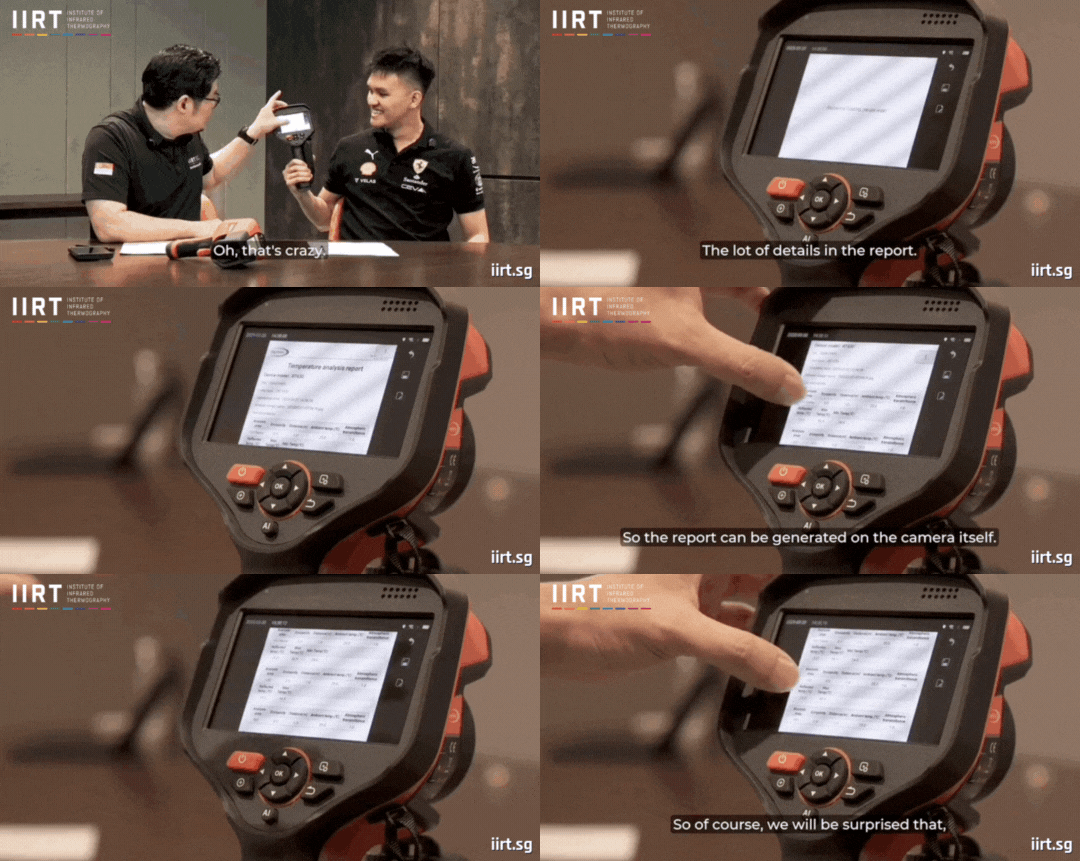
Generate and send reports directly from the thermal camera
Final Thoughts
With its blend of imaging clarity, field-ready design, and smart features, the Raythink RT630 offers real value for serious professionals. Whether you’re troubleshooting heat or chasing cold, it’s a reliable companion for inspections that demand more than just point-and-shoot.
Ready to raise your inspection game? The RT630 may just be the spark you need.
Watch the Full Raythink RT630 Review
See the Raythink RT630 in action with IIRT’s episode of “Thermal Talk” (Coming Soon). To experience the full range of Raythink Infrared Cameras firsthand, book a product demo with Nax Instruments, contact us here.
Product Link
IIRT x Nax Instruments
At Nax Instruments, we equip trainees from the Institute of Infrared Thermography (IIRT) with the best thermal imagers to ensure hands-on, real-world learning. Our partnership bridges high-performance infrared technology with industry-compliant education—preparing future thermographers with the tools and confidence to meet inspection standards from day one.
Explore our collaboration here: Level-1 Infrared Thermography Certification Course

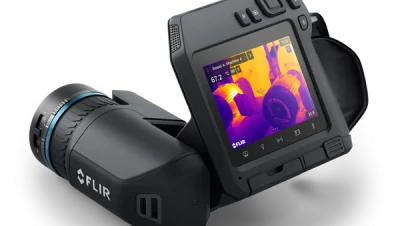
In recent years, thermal cameras have emerged as indispensable tools across various industries, revolutionizing the way we perceive and interact with our environment. Utilizing advanced infrared technology, these cameras detect and visualize thermal energy emitted by objects, enabling users to identify temperature variations and anomalies that are invisible to the naked eye. From industrial inspections to medical diagnostics and beyond, thermal cameras offer a multitude of applications and benefits that continue to shape diverse fields.
Understanding Thermal Imaging Technology
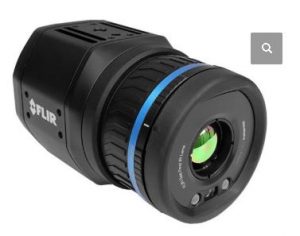
At the heart of thermal cameras lies thermal imaging technology, which operates on the principle of capturing and translating infrared radiation emitted by objects into visible images. Unlike conventional cameras that rely on visible light, thermal cameras detect heat signatures emitted by objects, converting them into thermal images known as thermograms. Each pixel in a thermogram represents a different temperature value, allowing users to analyze temperature differentials with precision.
Applications Across Industries
Industrial Inspections: Thermal cameras play a crucial role in industrial settings for preventive maintenance, detecting equipment malfunctions, and identifying potential hazards. By pinpointing temperature irregularities in machinery, electrical systems, and infrastructure, thermal imaging helps prevent costly breakdowns and ensures workplace safety.
Building Diagnostics: In the construction and building maintenance sector, thermal cameras are invaluable for detecting energy leaks, moisture intrusion, and structural defects. Building inspectors use thermal imaging to assess insulation efficiency, identify water damage, and prioritize repairs, leading to improved energy efficiency and structural integrity.
Security and Surveillance: Thermal cameras enhance security and surveillance systems by providing clear visibility in low-light conditions and adverse weather. With the ability to detect human and animal heat signatures, thermal imaging enables effective perimeter monitoring, intruder detection, and search and rescue operations.
Medical Diagnosis: In the medical field, thermal cameras facilitate non-invasive diagnostics and patient monitoring. Thermography, a technique based on thermal imaging, enables healthcare professionals to visualize temperature variations associated with inflammation, circulatory disorders, and other medical conditions, aiding in early detection and treatment planning.
Wildlife Conservation: Thermal cameras are instrumental in wildlife research and conservation efforts, enabling biologists to study animal behavior, track migratory patterns, and monitor endangered species. Thermal imaging provides valuable insights into nocturnal animals’ activities and habitats, facilitating conservation initiatives and biodiversity preservation.
Key Benefits of Thermal Cameras
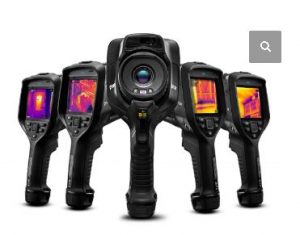
Enhanced Visibility: Thermal cameras offer superior visibility in low-light conditions, fog, smoke, and dust, allowing users to see beyond the limitations of human vision. This enhanced visibility is especially advantageous in hazardous environments and remote locations where conventional cameras may fail.
Early Detection of Anomalies: By detecting temperature differentials and hotspots, thermal cameras enable early detection of potential hazards, equipment failures, and safety risks. This proactive approach to maintenance and inspection helps minimize downtime, reduce repair costs, and prevent accidents.
Non-Invasive Inspection: Unlike invasive testing methods that require physical contact or dismantling of equipment, thermal imaging offers non-destructive inspection capabilities. This non-invasive approach minimizes disruption to operations, reduces downtime, and extends the lifespan of assets.
Cost-Effective Solutions: Incorporating thermal cameras into maintenance programs and diagnostic protocols can lead to significant cost savings over time. By identifying issues before they escalate, organizations can avoid costly repairs, optimize energy efficiency, and maximize operational performance.
Versatility and Adaptability: Thermal cameras are versatile tools that can be deployed across diverse applications and industries, from industrial facilities and commercial buildings to medical clinics and wildlife reserves. Their adaptability to various environments and conditions makes them indispensable assets for professionals in different fields.
Conclusion:
In conclusion, the power of thermal cameras lies in their ability to reveal hidden insights and provide actionable data across a wide range of applications. Whether used for industrial maintenance, building diagnostics, medical imaging, or wildlife conservation, thermal imaging technology continues to push the boundaries of innovation and redefine the way we perceive our surroundings.
With their unmatched visibility, early detection capabilities, and cost-effective solutions, thermal cameras have become indispensable tools for professionals seeking to optimize performance, enhance safety, and unlock new possibilities in their respective industries.
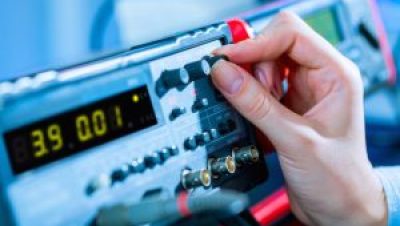
Calibration and testing services play an important role in ensuring the accuracy, reliability and compliance of various equipment and devices across numerous industries. Precision is of paramount importance in all industries whether it’s manufacturing, healthcare, research or any other industry. However, the effectiveness of calibration and testing mainly depends on the service provider that you choose for the specific tasks. Let’s take a look at some of the factors to consider when selecting the best calibration and testing service provider to meet your calibration and testing requirements.
Factors to Consider when Selecting the Right Calibration and Testing Service Provider

- Accreditation and Certifications
When choosing a calibration and testing service provider, the first and most important factor to consider is their accreditation and qualifications. These certificates confirm that the provider adheres to industry standards and has been subjected to thorough evaluations. For example, ISO/IEC 17025 accreditation is a globally recognized standard for testing and calibration laboratories. It ensures that the service provider has demonstrated technical competence, objectivity, and a commitment to continuous improvement. Also, there are certain certifications provided from appropriate industry bodies confirming the service provider’s knowledge in specific areas.
- Range of Services
Another important factor to consider is the selection of services. A reputable calibration and testing service provider should provide a wide range of services that cater to various industries and equipment types. The range of services includes electrical, mechanical calibration, thermodynamic and dimensional testing. This guarantees that you can rely on a single supplier for all of your calibration and testing requirements, streamlining the overall process. You should also consider whether they offer on-site calibration services in Singapore, which can be especially advantageous for minimizing downtime and operational disturbances.
- Equipment and Technological Capabilities
The equipment and technological capabilities of a calibration and testing service provider have a direct impact on the accuracy and reliability of their services. You should make sure that the selected provider uses cutting-edge technology and is up to date on recent developments in their industry. To provide precise results, modern calibration laboratories frequently use advanced instrumentation and software. This not only improves calibration accuracy but also demonstrates the service provider’s dedication to staying at the forefront of technical improvements.
- Quality Assurance and Traceability
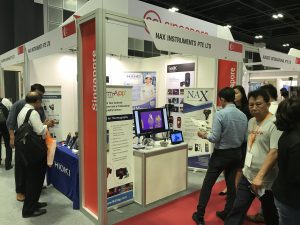
Quality assurance and traceability are two other important factors to consider when selecting a calibration and testing service provider. A reputable service provider should have strong quality control mechanisms in place to ensure the accuracy and dependability of their outcomes. Traceability is the ability to link measurements to a recognized standard, guaranteeing that calibration is performed against a known reference. You should inquire with potential service providers about their quality assurance systems and how they ensure traceability. This may include regular proficiency testing, participation in interlaboratory comparison programs, and adherence to documented processes.
- Turnaround Time and Customer Support
When it comes to calibration and testing services, efficiency is the key component. So when selecting calibration services in Singapore, you should always look for the service provider’s turnaround time – the amount of time it takes from receiving the equipment to delivering calibrated or tested findings. This is especially important if your activities are time-critical and any downtime must be kept to a minimum. Additionally, assess the calibration service’s customer support. A timely and educated customer support team can respond quickly to your questions and help streamline the entire calibration process. Look for a provider who places a high emphasis on customer relationships and is dedicated to providing outstanding service that goes beyond the technical aspects.
- Cost
While cost should not be a primary deciding factor when selecting calibration services in Singapore , it is also an important aspect. You can ask for detailed estimates from potential service providers and compare them to the value of the services provided. However, you should keep in mind that selecting a supplier based primarily on price could compromise the quality and accuracy of the calibration or testing. When determining the cost of calibration and testing services, consider the total value, which includes accreditation, the variety of services, technological capabilities, and customer support. Investing in quality services may yield long-term benefits in terms of equipment reliability and regulatory compliance.
Elevate Your Calibration and Testing with Nax Instruments
Choosing the right calibration and testing service provider is a key decision that can have a considerable impact on the performance and dependability of your equipment. At Nax Instruments, we recognize the importance of precision and dependability in calibration and testing services. Our cutting-edge facilities and commitment to quality make us a reliable partner for a wide range of businesses. We seek to exceed your expectations by providing a range of services and a customer-centric attitude. Make the best choice for your calibration and testing requirements. Choose Nax Instruments, where precision meets excellence.
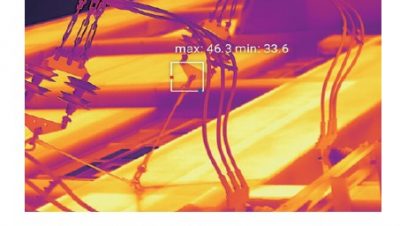
In a world where technology is always developing, thermal cameras have become indispensable instruments in a variety of industries, ranging from industrial inspections and research to security and surveillance. The capacity to observe and capture thermal radiation opens up a world of possibilities, but choosing the correct thermal camera in Singapore for your unique needs is critical. Let’s take a look at the essential variables to consider when selecting a thermal camera in Singapore, which will assist you to invest wisely in a tool that meets your needs.
Factors to Consider when Choosing A Thermal Camera
- Resolution
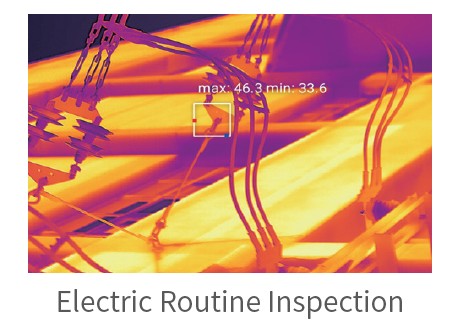
The resolution of a thermal camera is an important feature that directly influences the sharpness of the images and videos it takes. Higher-resolution cameras produce more detailed thermal images, allowing for better analysis and identification of potential problems. When selecting a thermal camera in Singapore, you should make sure to choose one with a resolution that corresponds to the amount of detail required for your applications.
- Thermal Sensitivity
Thermal sensitivity, measured in millikelvins (mK), determines the camera’s capacity to detect minor temperature variations. A decreased thermal sensitivity implies that the camera can capture even the tiniest temperature swings, making it more effective in recognizing possible problems. It is important to choose a thermal camera with high thermal sensitivity for applications requiring precision.
- Temperature Range
The temperature measurement ranges of different thermal cameras vary from each other. It is critical to select a camera that can accurately capture the temperature range relevant to your specific requirements. Whether you are monitoring equipment at harsh temperatures or conducting building inspections, selecting a camera with an acceptable temperature range is critical for reliable findings.
- Image and Video Storage
If you need to capture and analyse a significant number of photos, you should consider the thermal camera’s storage capacity. Some cameras include built-in storage, but others require the use of external storage devices. So, assess your needs and select a camera with sufficient storage options, to enable flawless data handling.
- Ease of Use

If you are new to thermal imaging technology, user-friendliness is an essential factor to take into consideration. A well-designed interface and intuitive controls may significantly enhance the productivity of your workflow. To improve ease of use, you should look for cameras that have user-friendly menus, configurable settings, and ergonomic designs.
- Portability
Portability is also an important factor to consider when choosing a thermal camera. Whether you are conducting inspections in restricted places or working in the field, a tiny and lightweight thermal camera can make a considerable difference in flexibility and convenience.
- Battery Life
The amount of time a thermal camera can run on a single charge is critical, especially for professionals operating in isolated areas or for extended periods of time. Consider the camera’s battery life and make sure it corresponds to your usage patterns. If you are looking for a thermal camera for longer field use, you can choose a model that includes interchangeable batteries.
- Integration and Connectivity
Thermal cameras with easy integration with other devices and systems increase their versatility. Look for cameras that have Wi-Fi connectivity, USB ports, or compatibility with smartphone apps. Integration capabilities can improve data transfer and overall connectivity.
- Durability and Environmental Resistance
Thermal cameras can be employed in a variety of contexts, ranging from industrial settings to outdoor locations with various weather conditions., So you should always make sure to select a camera that is sturdy, resilient, and resistant to environmental influences in order to ensure durability and dependable operation in a variety of settings.
- Price and Value
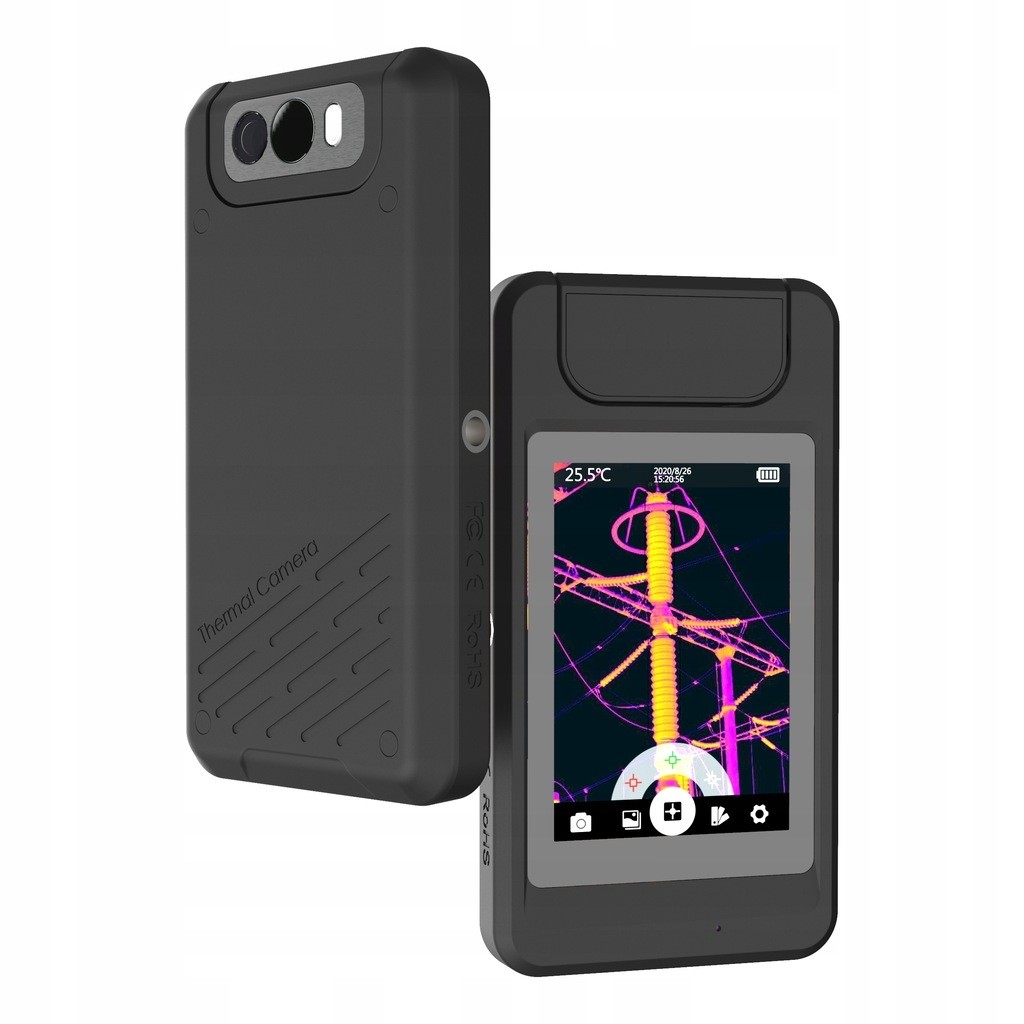
While cost considerations are vital in selecting a thermal camera in Singapore, it is critical to balance cost with the features and capabilities that correspond with your individual demands. Before purchasing the thermal camera, you should consider its entire worth, taking into account its specs, durability, and the level of support supplied by the manufacturer.
Elevate Your Imaging Experience with Nax Thermal Cameras
Choosing the right thermal camera in Singapore requires a comprehensive examination of the aforementioned elements to ensure that it satisfies the specific needs of your applications. Nax thermal cameras are well-known for their dependability and versatility, as well as their cutting-edge technology. We offer a wide range of thermal cameras including, thermal monocular cameras, firefighting thermal cameras, online thermal cameras, handheld thermal cameras and many more. Purchasing a Nax thermal camera not only ensures the precision and effectiveness of your thermal imaging tasks but also provides you with a trustworthy companion in your professional endeavours. Make the right decision and improve your thermal imaging experience with Nax Instruments.
